
-
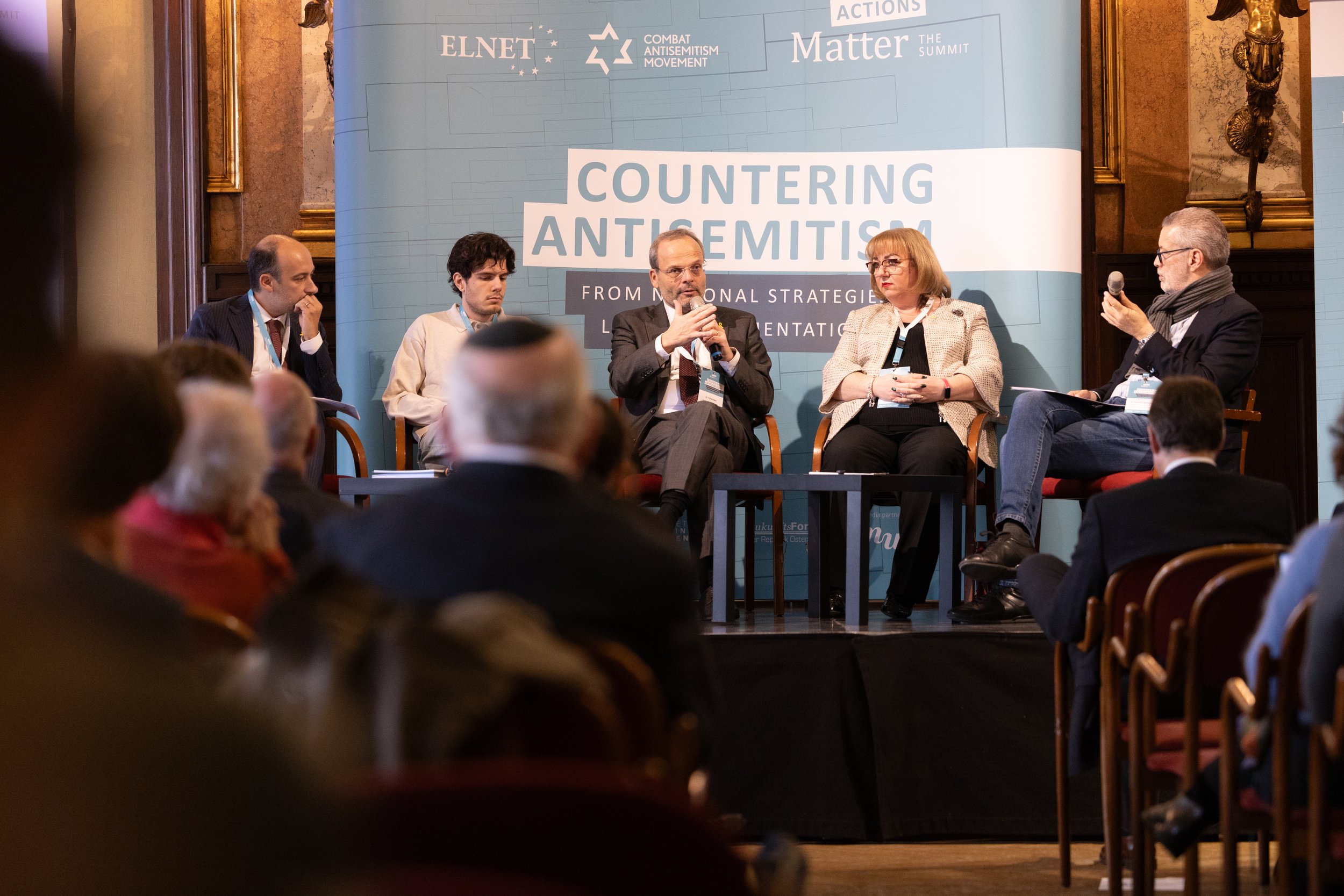
Actions Matter Conference, Vienna
-
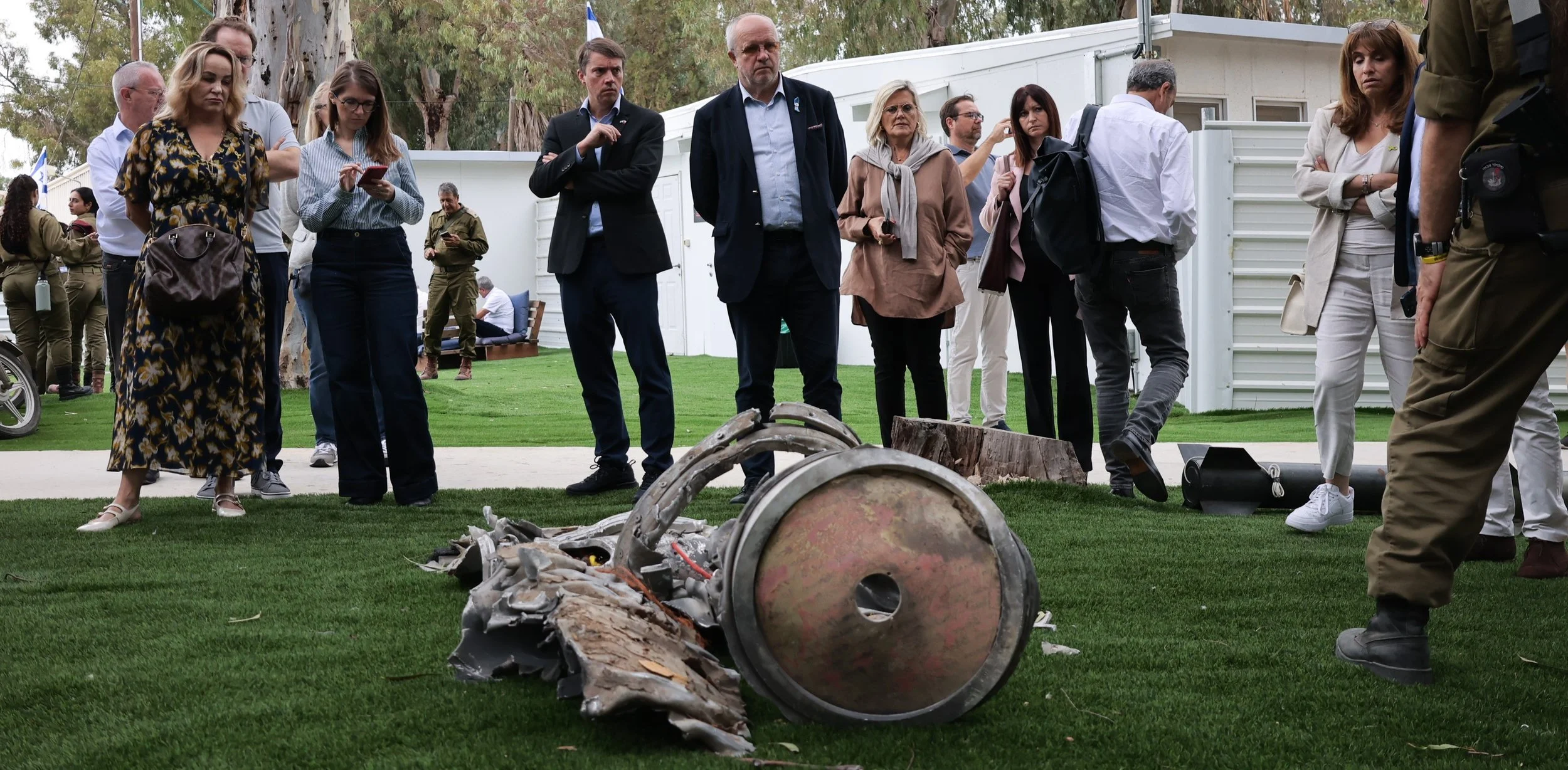
Military Experts Delegation
-
-
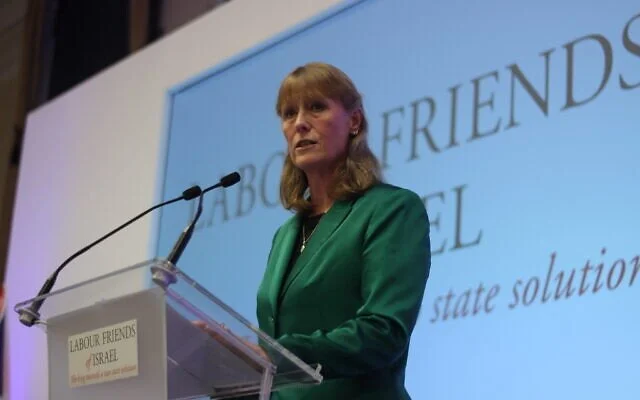
Interview with Sharon Hodgson MP and Joani Reid MP
-
4th Europe-Middle East Forum
-
600 days parliamentary reception
-
E3-Israel Strategic Dialogue
-
Abraham Accords
-
Our impact
-
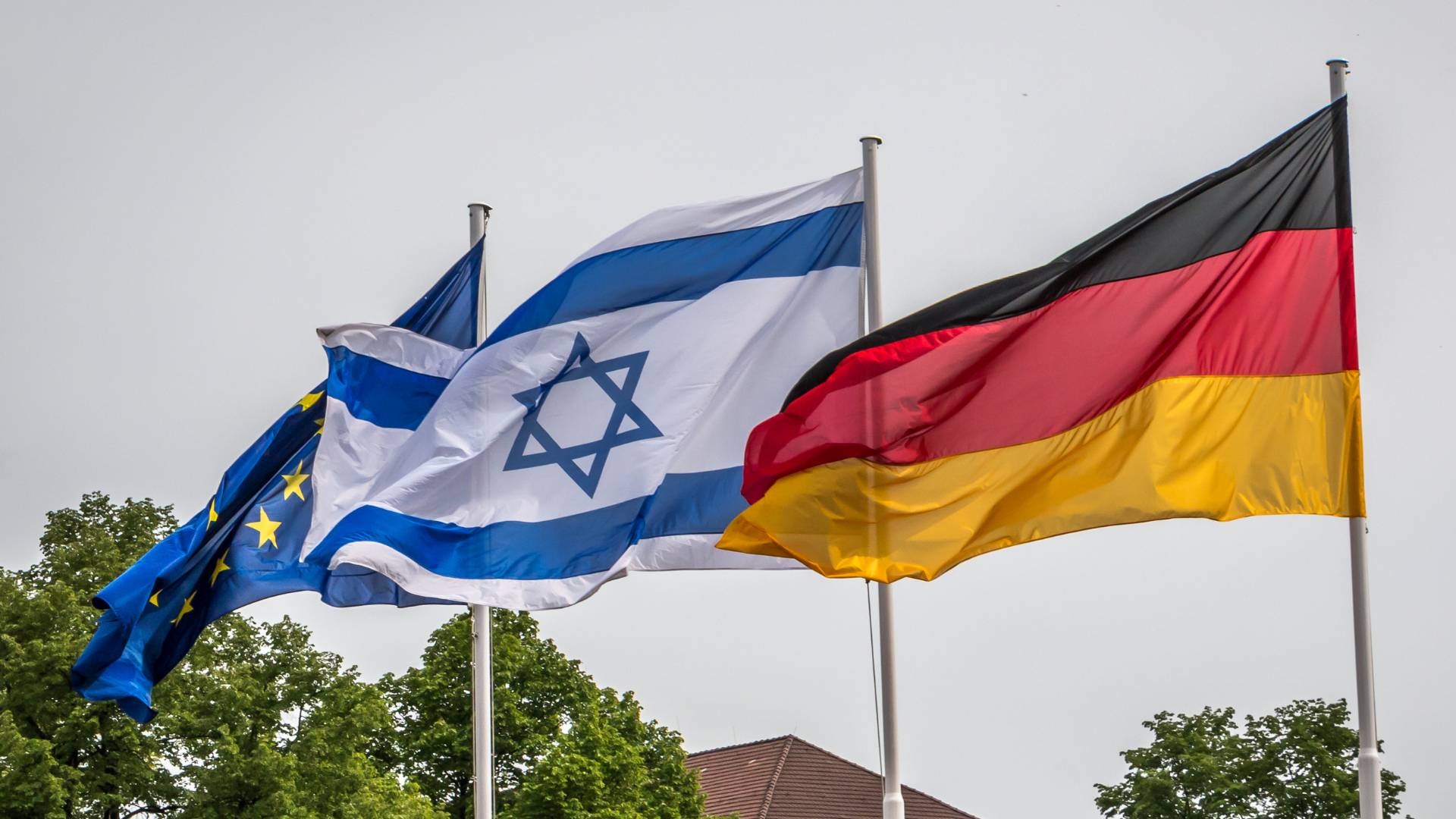
Israel - a vital strategic partnership
ELNET is a non-profit dedicated to strengthening relations between UK, Europe and Israel based on shared democratic values and strategic interests
/
ELNET is a non-profit dedicated to strengthening relations between UK, Europe and Israel based on shared democratic values and strategic interests /
What DOES ELNET DO
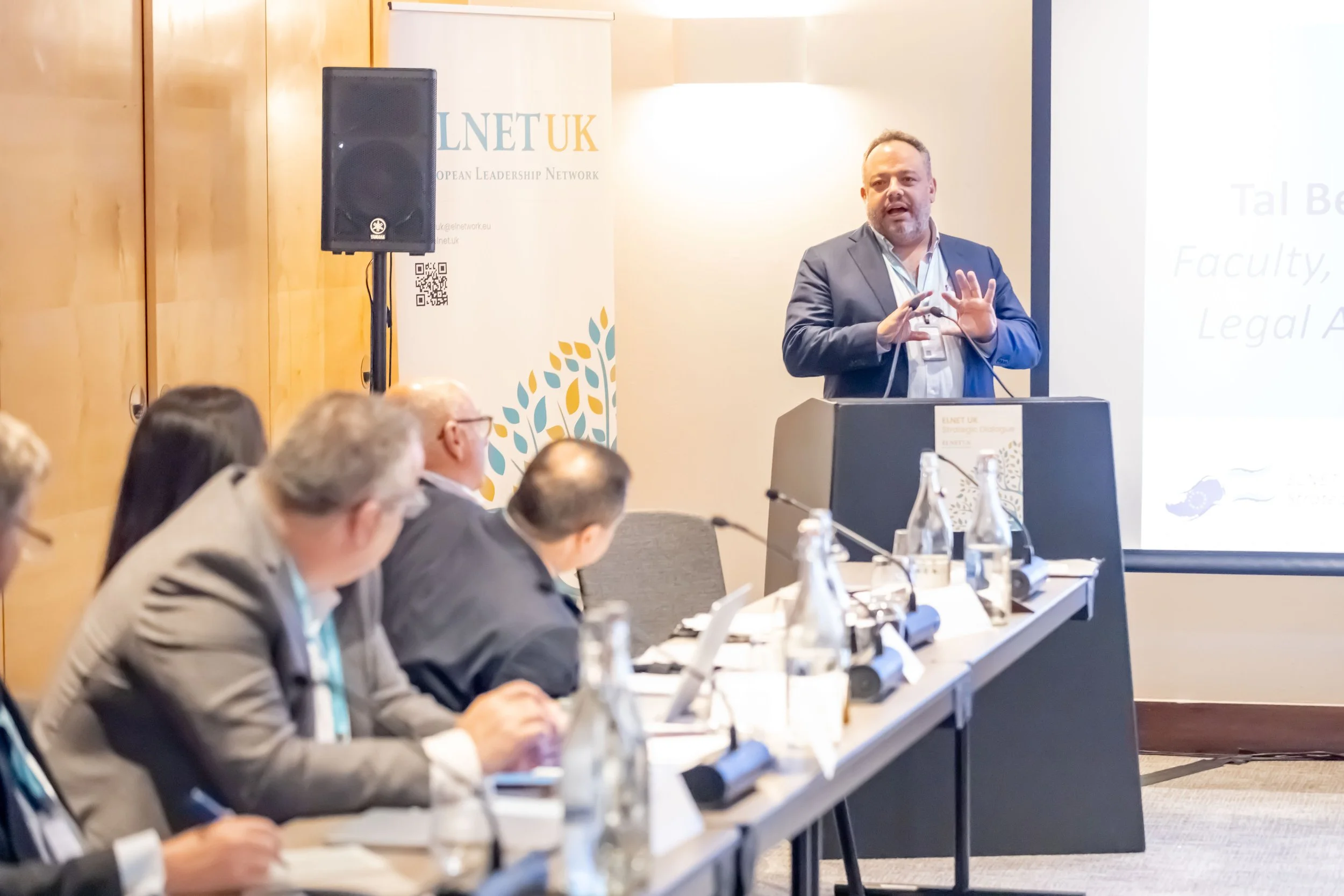
We are proud to be affiliated with the Forum for Strategic Dialogue; this provides a unique platform for regular high-level and multidimensional knowledge sharing and debate on critically important topics.
The Forum facilitates our 1.5+ track diplomatic work, hosting governmental and non-governmental participants in expert exchanges which can go far beyond the constraints of formal inter-governmental processes. Leaders and experts (across Government, Parliament, think tanks, journalism, academia and business) are given the opportunity to meet with counterparts across Europe, Israel and the wider Middle East through ELNET’s highly respected network.
Our highly regarded and well-established network enables us to facilitate in-depth policy debate here in the UK and across Europe on a range of issues in order to highlight where we can strengthen our diplomatic, economic and military partnership with Israel.
ELNET UK is non-partisan and we work collaboratively across the political spectrum; we seek to contribute to both the factual understanding of key issues, and broader strategic discussion.
-
Delegations
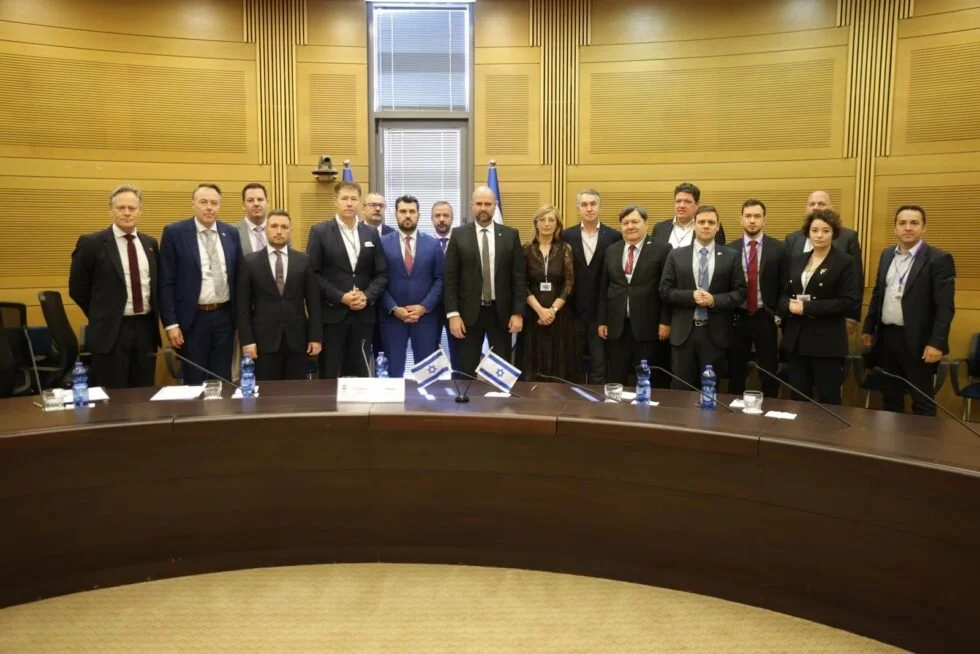
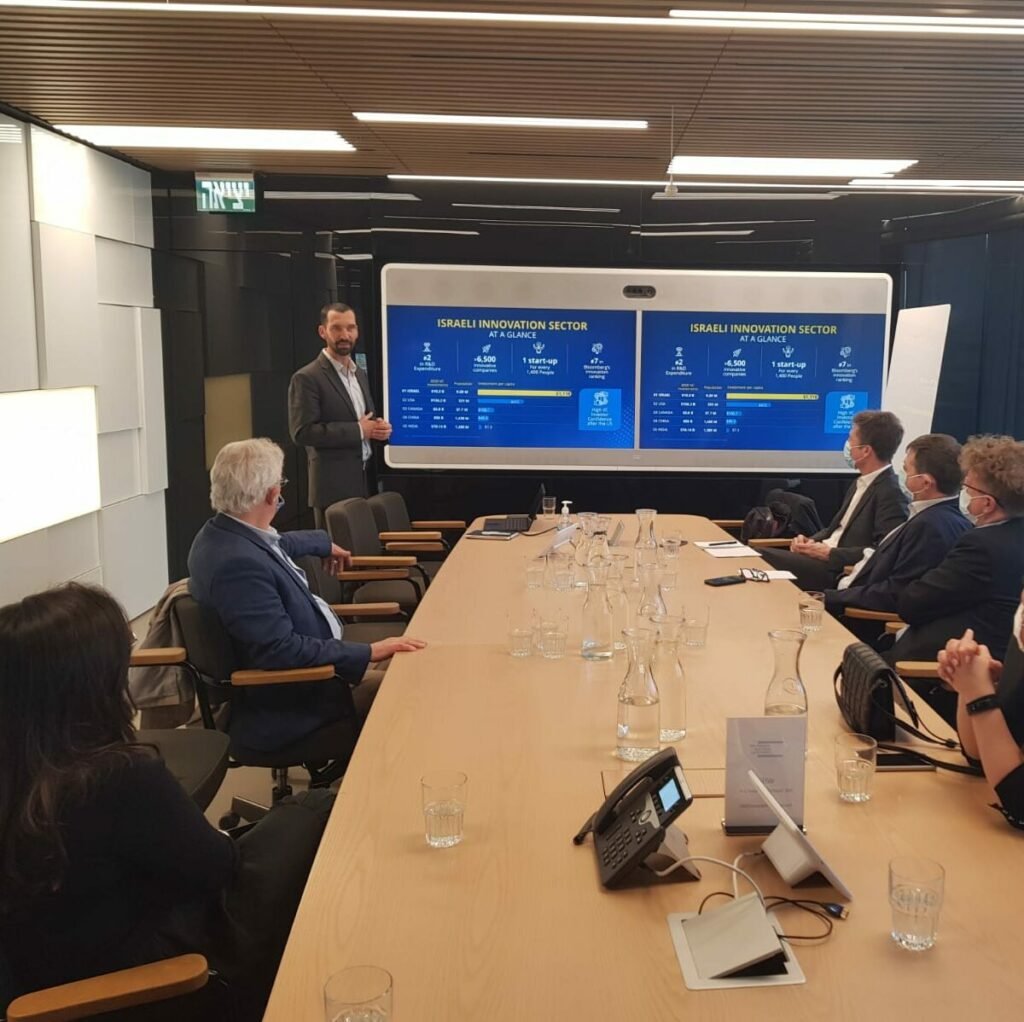
ELNET UK organises delegations to Israel bringing important opinion formers and decision makers; itineraries have included the Northern border with Lebanon and Gaza.
Guests of ELNET have included General Sir John McColl (former Deputy Supreme Allied Commander at NATO) and Bronwen Maddox (CEO of Chatham House).
-
-
Strategic Dialogue
In 2023 ELNET UK hosted the E3-NATO-Israel Strategic Dialogue, featuring representatives from the UK Government and Opposition, as well as officials, MPs, and dignitaries from NATO, four European countries and Israel.
We have partnered with MENA 2050 for the 4th Europe-Middle East Forum (2023), facilitating critical dialogue between UK, Europe, Abraham Accord countries, Israel and Palestinians. Our Eighth UK-Israel Strategic Dialogue was held in Jerusalem with attendees from RUSI and Chatham House.
-
-
-
-
Policy papers
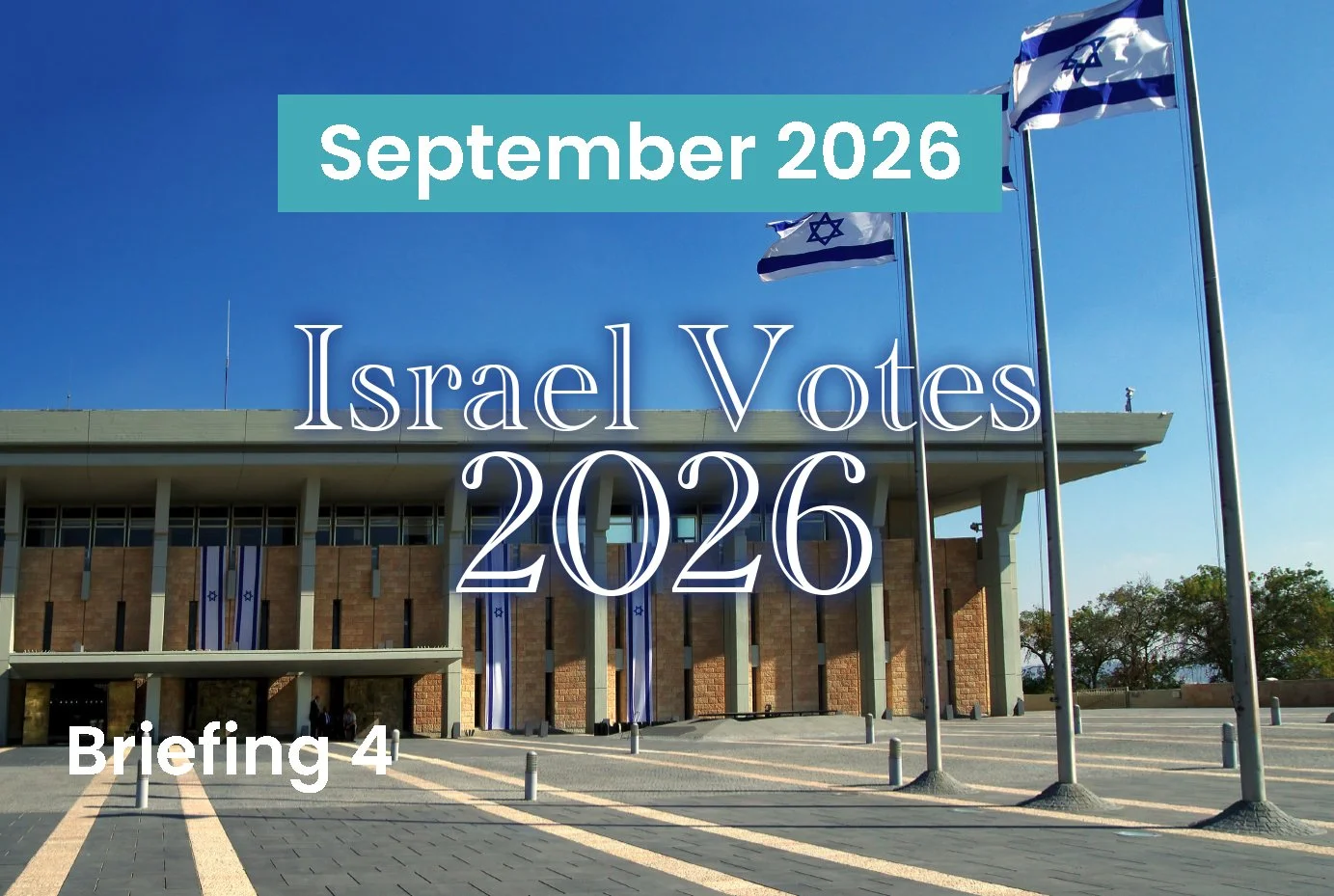
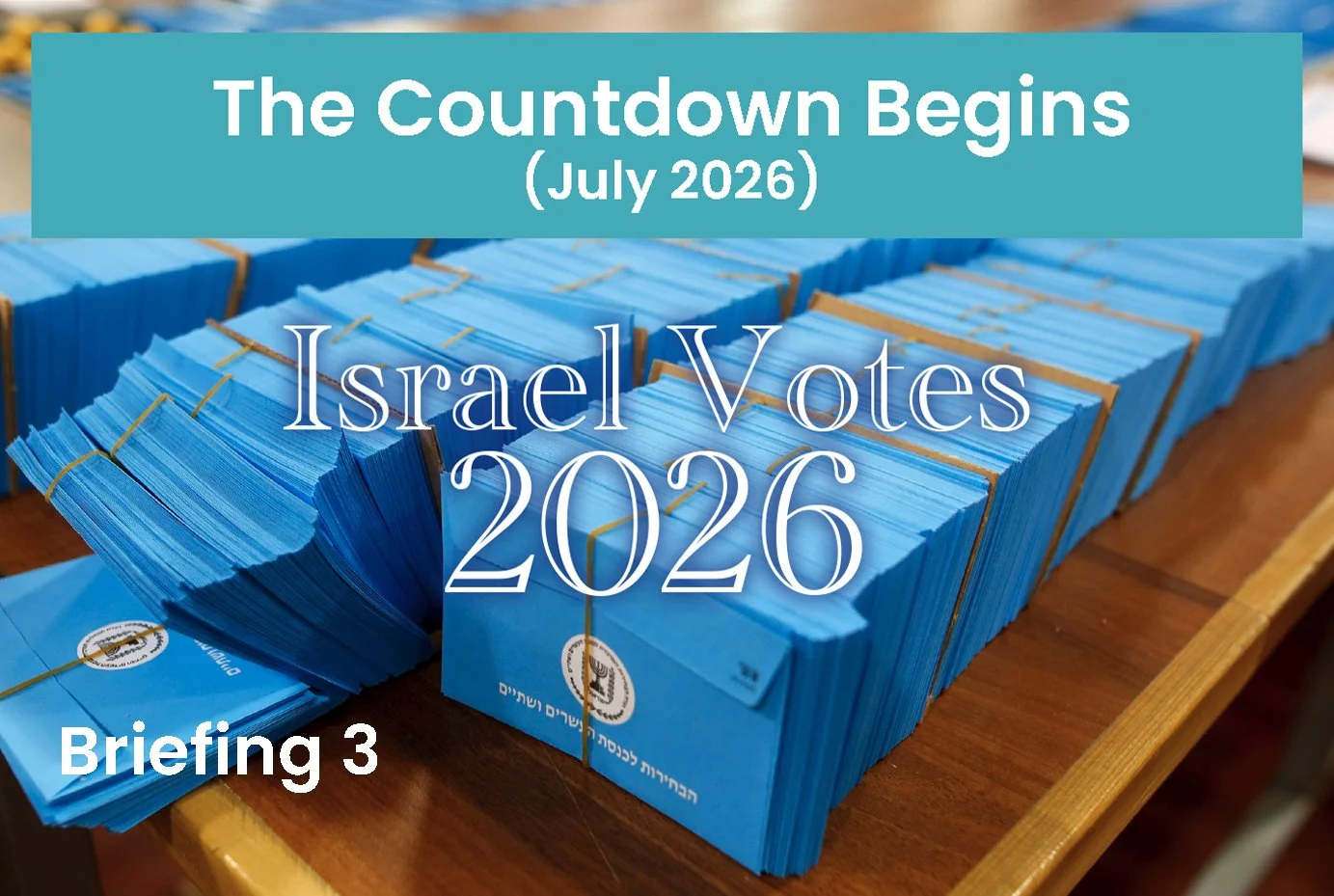
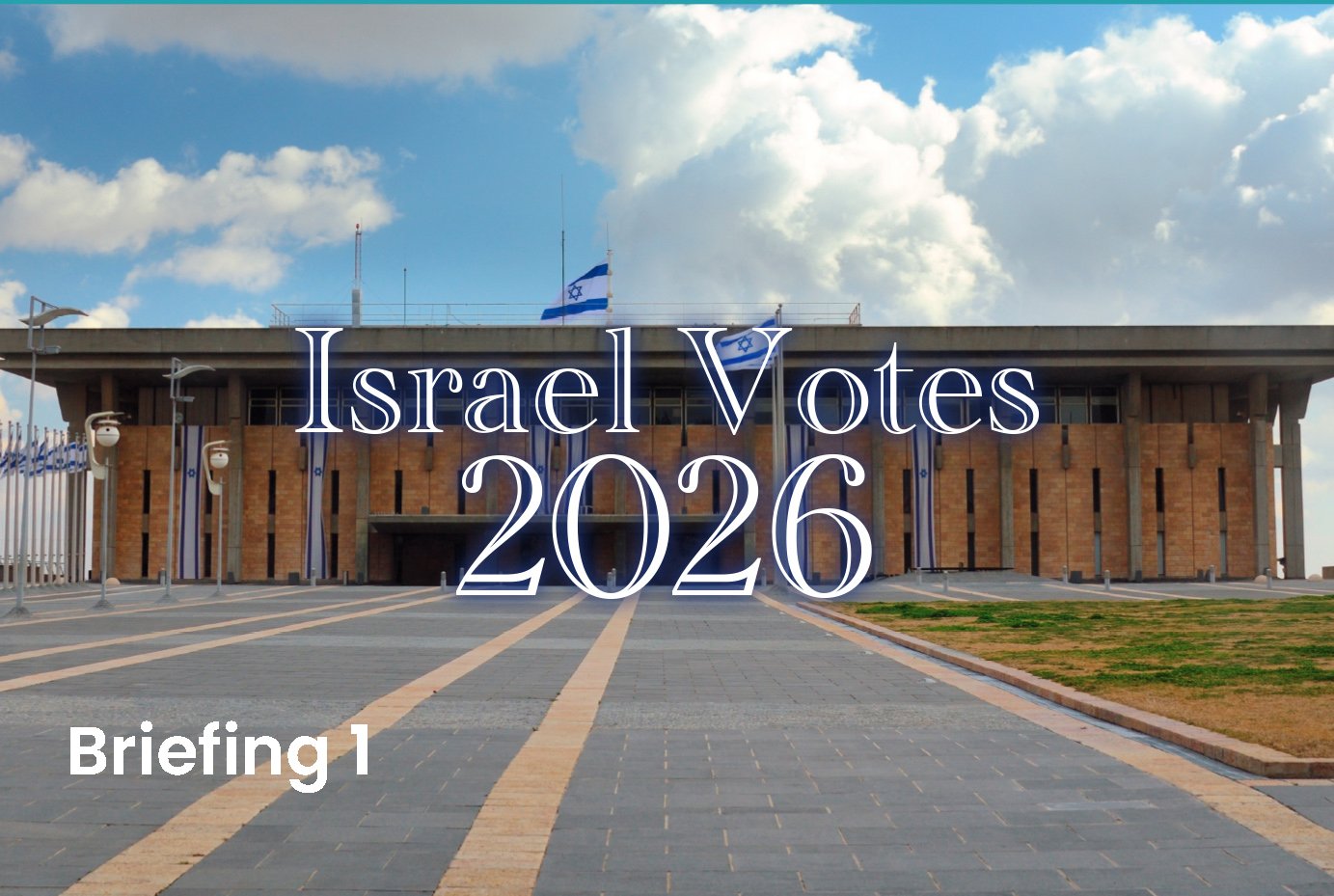
The Knesset was dissolved on 17 July – formally triggering the countdown to Israel’s general election on 27 October.
It will be a historic election: the Netanyahu government, which came to power in December 2022, is only the second in Israeli history to complete a full term in office. The outgoing 25th Knesset is also the first since 1988 to hold elections after a full four-year term…
With elections required by October, Israel faces its most consequential vote in decades.
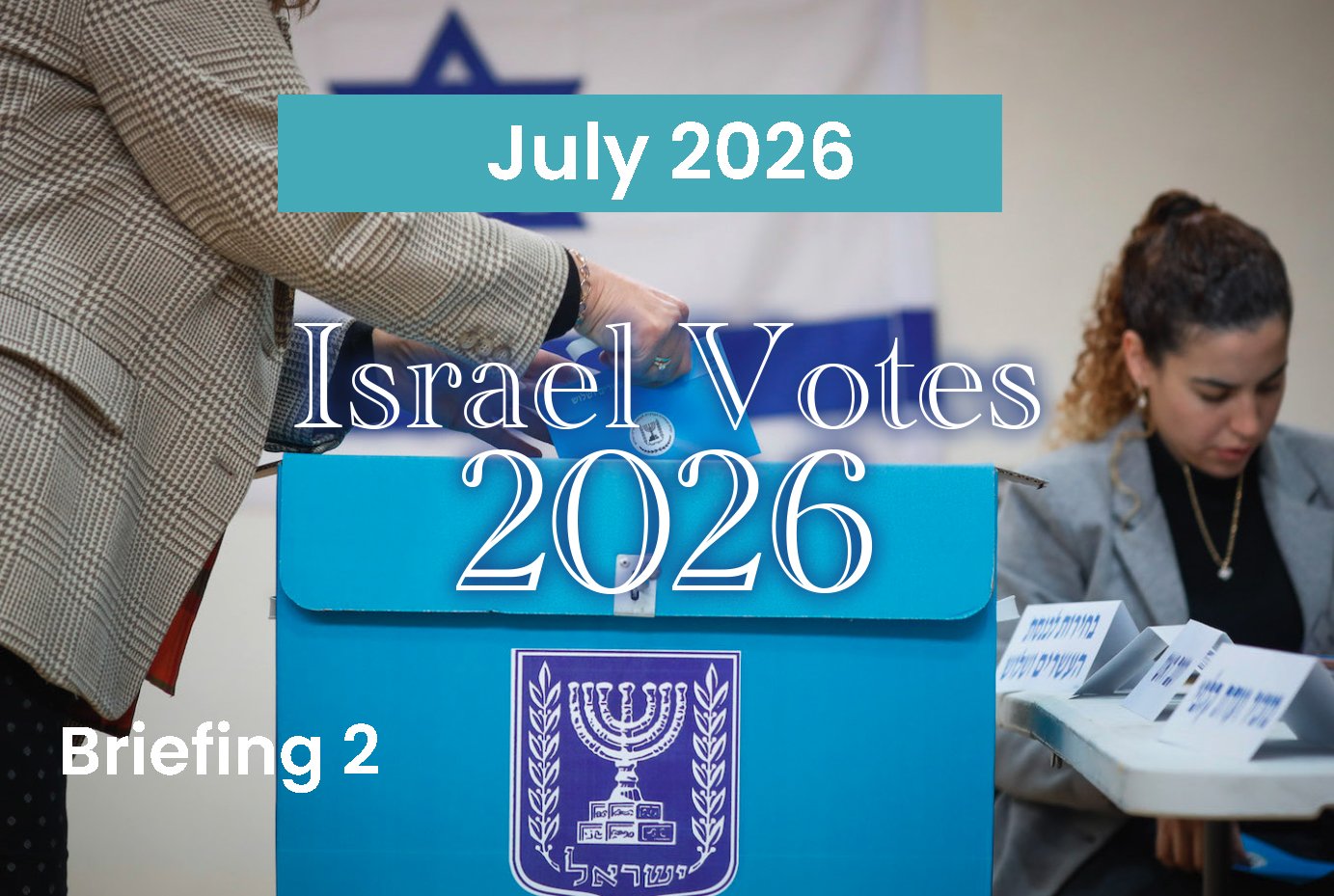
On the surface, Israel’s general election race looks remarkably stable. With less than four months to go until an election must be held on 27 October, polls show the two big blocs – Benjamin Netanyahu’s governing coalition of right-wing and ultra-Orthodox parties and the more ideologically eclectic opposition – both short of a majority in the Knesset – but with the long-serving prime minister’s opponents much closer to the 61-seat finishing line…
Israelis vote this year in what many commentators view as the most consequential election in the Jewish state’s 78-year history. The election takes place against the backdrop of Israel’s worst-ever terror attack - and the resulting conflict with the Palestinians, as well as two unprecedented direct confrontations with Iran.
The election must be held by 27 October 2026, but it will likely come sooner with legislation to dissolve parliament now advancing through the Knesset. Analysts suggest the poll might be held in early September, with Netanyahu believed to be keen to avoid the elections falling too close to the anniversary of the 7 October attacks.
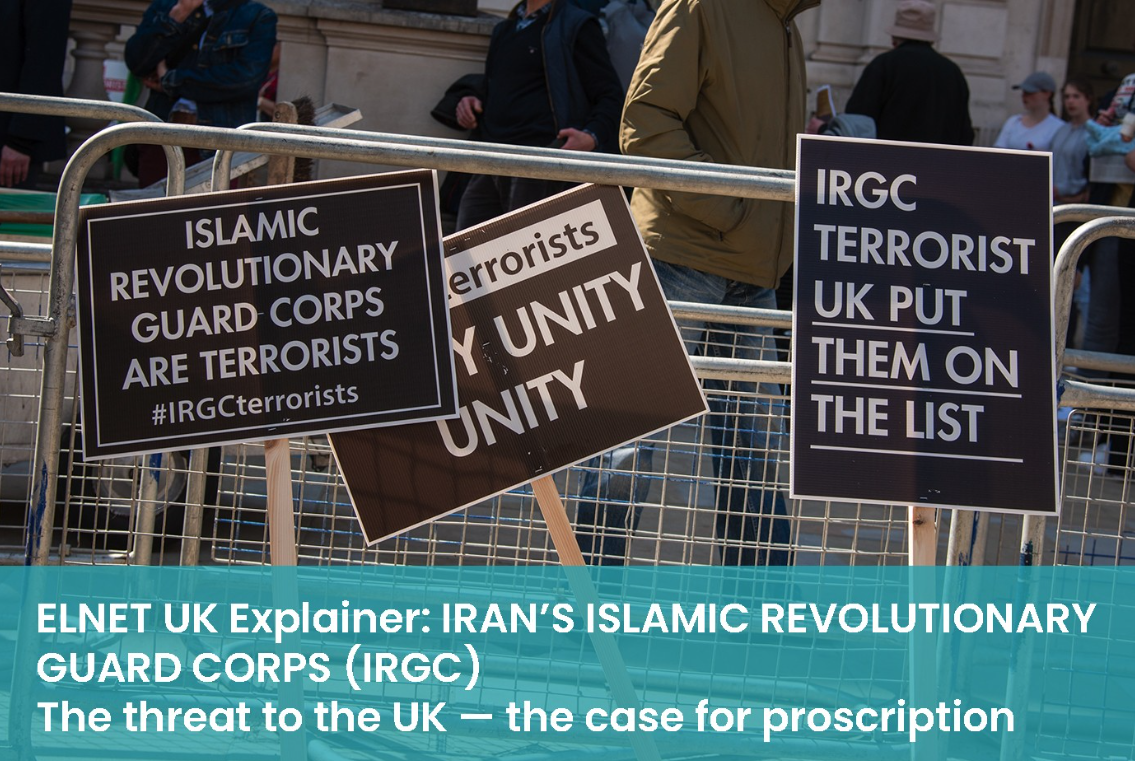
ELNET UK calls on the government to fast-track legislation and proscribe the IRGC without delay.
With every major UK ally having now acted, the case for the proscription is beyond question. The IRGC poses a direct, documented and escalating threat to people in the UK. The time for legislative delay has passed.
The Iranian regime appears to have weathered the most challenging and widespread protests against its rule since the 1979 Islamic revolution. But it has done so only by engaging in an unprecedentedly brutal crackdown in which thousands have been killed and imprisoned – with reports suggesting that mass arrests are continuing even after the protests have, for now at least, been quelled. The ferocity of what has been termed “a state-ordered massacre” is an indication of not only the existential challenge which the regime faces, but also of its weakness and vulnerability…
The latest in our Explainer series examines the Trump administration's 2025 National Security Strategy (NSS), released on 5 December 2025, and its implications for Europe, Israel, and the Middle East.
This document sets out a clear "America First" vision, sharply diverging from previous administrations by downgrading Europe (criticised for insufficient defence spending, economic decline, and civilisational challenges including migration and loss of national identity) while presenting a markedly more positive assessment of the Middle East…
The latest in our Explainer series examines how lawfare is weaponised against Israel, and explores its definition, origins, examples and impact.
Lawfare attempts to turn political questions into legal rulings which can, in turn, provide a veneer of legality and credibility for boycotts of, and sanctions against, Israel. At a minimum, lawfare seeks to circumvent the hard graft of negotiation and the compromises required to come to an agreement resulting in a two-state solution. At worst, it attempts to delegitimise and, ultimately, destroy the State of Israel – a tactic which is self-evidently incompatible with the pursuit of a two-state solution.
The heinous terror attack at the Heaton Park Hebrew Congregation Synagogue in Manchester last week has highlighted once again the shocking rise in antisemitism in Britain following the 7 October atrocities and the ensuing conflict between Israel and Hamas. This is driven by a contemporary form of antisemitism – anti-Zionist antisemitism – which seeks to demonise and delegitimise the world’s only Jewish state. Its origins lay in a form of antisemitism developed in the Soviet Union, but it draws on and propagates traditional antisemitic tropes which have existed at least since Medieval times.This paper defines anti-Zionist antisemitism, explores its origins, and examines the contemporary examples and consequences of it.
Latest News, Articles, Activities and Policies
The Knesset was dissolved on 17 July – formally triggering the countdown to Israel’s general election on 27 October.
It will be a historic election: the Netanyahu government, which came to power in December 2022, is only the second in Israeli history to complete a full term in office. The outgoing 25th Knesset is also the first since 1988 to hold elections after a full four-year term…
With elections required by October, Israel faces its most consequential vote in decades.
On the surface, Israel’s general election race looks remarkably stable. With less than four months to go until an election must be held on 27 October, polls show the two big blocs – Benjamin Netanyahu’s governing coalition of right-wing and ultra-Orthodox parties and the more ideologically eclectic opposition – both short of a majority in the Knesset – but with the long-serving prime minister’s opponents much closer to the 61-seat finishing line…
Israelis vote this year in what many commentators view as the most consequential election in the Jewish state’s 78-year history. The election takes place against the backdrop of Israel’s worst-ever terror attack - and the resulting conflict with the Palestinians, as well as two unprecedented direct confrontations with Iran.
The election must be held by 27 October 2026, but it will likely come sooner with legislation to dissolve parliament now advancing through the Knesset. Analysts suggest the poll might be held in early September, with Netanyahu believed to be keen to avoid the elections falling too close to the anniversary of the 7 October attacks.
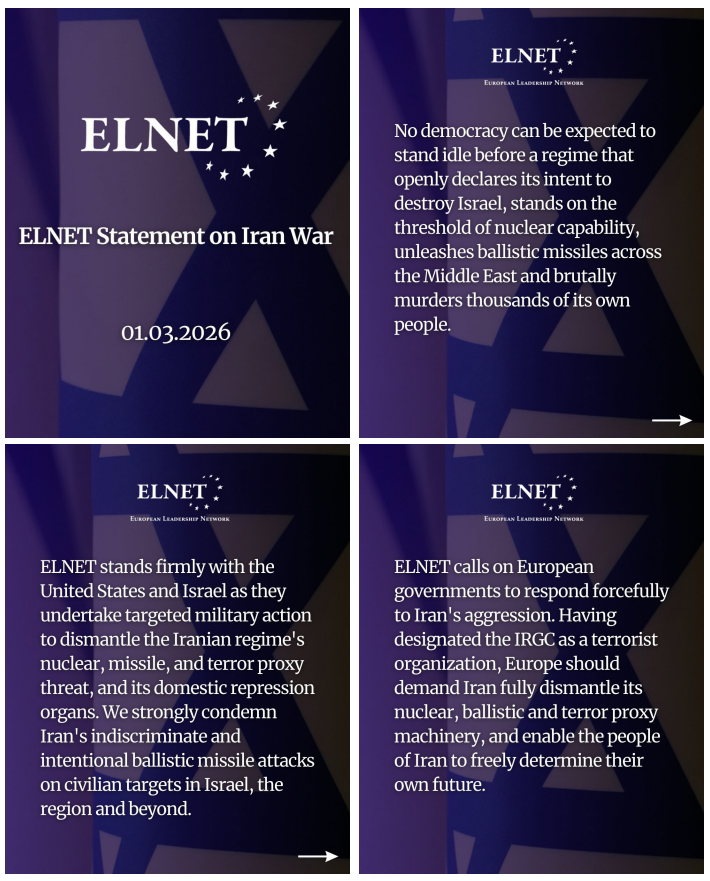
ELNET UK calls on the government to fast-track legislation and proscribe the IRGC without delay.
With every major UK ally having now acted, the case for the proscription is beyond question. The IRGC poses a direct, documented and escalating threat to people in the UK. The time for legislative delay has passed.
The Iranian regime appears to have weathered the most challenging and widespread protests against its rule since the 1979 Islamic revolution. But it has done so only by engaging in an unprecedentedly brutal crackdown in which thousands have been killed and imprisoned – with reports suggesting that mass arrests are continuing even after the protests have, for now at least, been quelled. The ferocity of what has been termed “a state-ordered massacre” is an indication of not only the existential challenge which the regime faces, but also of its weakness and vulnerability…
The latest in our Explainer series examines the Trump administration's 2025 National Security Strategy (NSS), released on 5 December 2025, and its implications for Europe, Israel, and the Middle East.
This document sets out a clear "America First" vision, sharply diverging from previous administrations by downgrading Europe (criticised for insufficient defence spending, economic decline, and civilisational challenges including migration and loss of national identity) while presenting a markedly more positive assessment of the Middle East…